
Life and Law

A place for everything and everything in its place.
A place for everything and everything in its place.
This is a phrase and a philosophy my mother and grandmother espoused. Growing up in a large family living in a modest home, you either lived with order or chaos. Thankfully, I grew up with the former. And this principle has stayed with me all these years. I went through a move just recently and the stress of not having everything in its proper place has been daunting.
Having order in your home sets you up for success and frees you from the stress of mess. The same can be said for your estate plan. What good is having taken the time to create an estate plan if you or others can’t find it when it’s needed? I understand though, sometimes I have put something in a ‘very special place’ myself – so special that I can’t recall where it is. We’ve all been there. But access to your estate planning documents shouldn’t be in such a ‘special place’ that one must mount an expedition into the unknown just to retrieve it.
The following are some important tips I give clients of mine after they’ve completed their estate planning with me. I ask them to consider the following: where to keep your documents; who to tell; and what types of information.
First things first, let’s talk about that ‘special place.’ You have options. Sure, a document safe is a nice thing to have, so is a fully stocked wine cellar, but some of us aren’t so fortunate. A metal, fire resistant document box can be purchased for as little as $35 in some places and that will work. So too will a gun safe. One place I’m not too jazzed about, however, is a safety deposit box. I have drafted quite a few petitions to have these little boxes opened by family members after someone has passed away because the deceased put all their crucial documents in the safety deposit box and not made accessible to the right people. And don’t forget, saving your documents in digital form can be a great way to store them and preserve them over time. I always create a digital copy of the estate plan I create for my clients. While some documents must be in their original form, if things have been lost over time, having a copy of your documents in digital form can be a good place to start.
Who to tell should be your next consideration. Who really needs to know? Clients ask me all the time who they are obliged to notify about their estate plan. The truth is nobody, really. I don’t suggest that, however. I do tell them to notify those they’ve designated as their personal representatives (for a will), trustees (for a trust), and agents (for powers of attorney). The key is to tell them where your estate plan can be found when it’s needed. You are not obligated to give them copies or the originals, but you should tell them where they are located. Some choose to give their fiduciaries and other designated people copies of their estate plan or hand them everything but that’s a personal choice and depends on the situation.
And the last thing to consider is, what types of information to include. This seems obvious but your estate plan is just part of what you should consider saving and providing for your designated folks. How about passwords to online accounts? How about computer passwords? A death is disruptive enough, don’t leave your family without access to the information they will need when the time comes. Information about your assets is crucial too. I tell clients to take a recent statement from investment accounts, bank accounts, etc., and make a copy to keep with their estate plan. That copy usually has the account number, the institution name, and the contact details. I also provide a list to my clients of all the people and places that will need to be contacted upon their passing. Keep information like this with your estate plan.
When it comes to older versions of your estate plan, I caution my clients about keeping their old documents with the new. Old versions of wills, especially, can be tricky. If you’ve amended, updated, and changed provisions in your will consider that it isn’t unheard of for others to probate older versions of a will that are more favorable to them. We should be careful as to who we give copies to.
When you tell your designated folks and family where your estate plan is located, make sure it’s a complete account of your estate. I tell each of my clients that estate planning is not only what one does for their own peace of mind, but also – if not more importantly – for those we leave behind. So be kind, consider that they will be grieving and not in their normal state of mind. Help them with the process by setting them up for a smoother transition. Have a place for your estate plan and make sure everything you and others will need is in that place. If you need, I’m here to help.
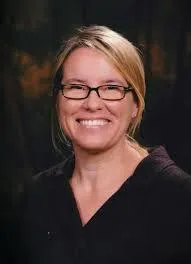
Thank you so much for visiting!
We do not currently review trusts drafted by other attorneys for the sole purpose of advising.
Disclaimer: Tricia Daigle is licensed to practice law solely in Idaho. Nothing in this website should be taken as engaging or offering to engage, in any activities in any jurisdiction where those activities would constitute the unauthorized practice of law or would otherwise be unlawful or improper. The materials appearing on this website are provided for informational purposes only and do not constitute legal advice. You should not take action based on this information without consulting legal counsel. This site is not intended to create an attorney-client relationship. The hiring of a lawyer is an important decision that should not be based solely upon any single source of information, including advertising on this Web site.
Your visit to this site does not create an attorney-client relationship with you and any of our attorneys.
Compassion
Service
Commitment
Having the privilege of meeting clients at very significant and unique times in their lives, I often find that we share many of the same experiences. I have been the caregiver to aging and ill parents. I have been a guardian, conservator and personal representative.
While each of these roles has their own challenges, my personal understanding of such roles enables me to empathize and effectively communicate with my clients. Therefore, I am dedicated to meeting clients where they are in life, in celebration of their milestones or to provide support through difficult times. Establishing special bonds with my clients is a truly rewarding aspect of my work as an attorney.
“Service is the rent we pay for being. It is the very purpose of life, and not something you do in your spare time.”
~ Marian Wright Edelman Attorney, Activist, and Founder of the Children’s Defense Fund
This statement captures the essence of my approach toward life, work, and people. Coming from a family tradition that places high value on the service of others and the community, I am committed to serving my clients, providing earnest and sincere representation on their behalf.
My commitment is to help families. The best part of my work is to be a resource for others during the important moments in their life, through happy periods as well as during challenging times. I meet them wherever they are in the cycle of life:
marriage, birth, blending of families, adopting a new member – even divorce, illness and death. I am committed to helping my clients plan for the future through proper estate planning strategies that will ensure the respect of an individual’s wishes, the care of their families, and the protection of their legacies.
© 2024 DAIGLE LAW OFFICE, PLLC All Rights Reserved
Photography credits: Ben Hoskyn (Home), Alden Skeie (Contact)